In today’s fast-paced world, many people experience stress, anxiety, and constant distractions. One simple yet powerful way to regain focus and calmness is through mindful breathing. This practice involves paying attention to your breath and staying present in the moment.
Mindful breathing does not require special equipment or extensive training. It can be practiced anywhere and at any time. By dedicating just a few minutes each day to mindful breathing, you can improve your mental clarity, emotional well-being, and overall health.
What Is Mindful Breathing?
Mindful breathing is the practice of focusing your attention on your breath without trying to change it. Instead of thinking about the past or worrying about the future, you concentrate on each inhale and exhale.
This simple technique helps bring awareness to the present moment. When your mind begins to wander, you gently return your attention to your breathing. Over time, this practice can strengthen your ability to stay calm and focused.
Mindful breathing is often used in meditation, stress management programs, and wellness routines because of its positive effects on both the mind and body.
Benefits of Mindful Breathing
Practicing mindful breathing regularly can provide many benefits, including:
- Reduced stress and anxiety
- Improved concentration and focus
- Better emotional control
- Enhanced relaxation
- Improved sleep quality
- Lower mental fatigue
- Greater self-awareness
Many people notice a sense of calm after just a few minutes of focused breathing. With consistent practice, these benefits can become a natural part of daily life.
How to Practice Mindful Breathing
Step 1: Find a Comfortable Position
Sit in a chair or on the floor with your back straight. Relax your shoulders and place your hands comfortably on your lap.
Step 2: Focus on Your Breath
Close your eyes if it feels comfortable. Notice the sensation of air entering and leaving your body. Pay attention to each inhale and exhale.
Step 3: Observe Without Judgment
Your thoughts may wander, and that is completely normal. When this happens, gently bring your attention back to your breathing without criticizing yourself.
Step 4: Continue for a Few Minutes
Start with five minutes each day. As you become more comfortable, you can gradually increase the duration of your practice.
Step 5: Stay Consistent
Regular practice is more effective than occasional long sessions. Even a few mindful minutes each day can create positive changes over time.
Image Placement
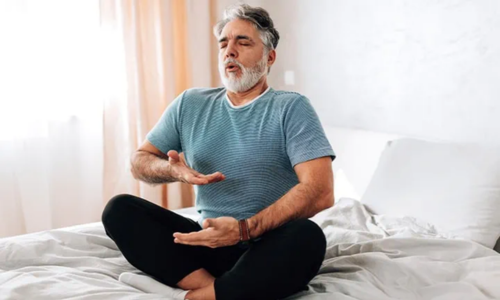
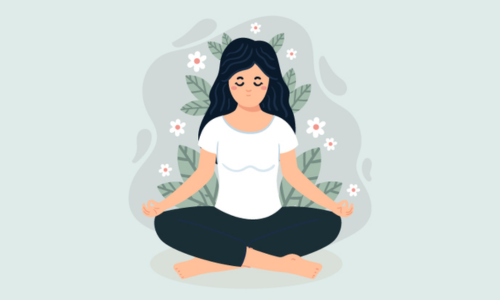
Suggested image: Someone practicing mindful breathing during a peaceful morning meditation session.
Tips for Building a Daily Habit
Creating a mindful breathing routine can help you stay consistent. Here are some practical tips:
- Practice at the same time each day.
- Use reminders on your phone.
- Choose a quiet space when possible.
- Start with short sessions.
- Combine breathing practice with your morning or evening routine.
- Be patient with yourself as you learn.
Remember that mindful breathing is a skill that improves with practice. There is no need to be perfect.
Conclusion
Mindful breathing is a simple and effective way to improve your mental and physical well-being. By focusing on your breath and staying present, you can reduce stress, improve concentration, and develop a greater sense of calm. The best part is that anyone can practice mindful breathing, regardless of age or experience. Start with just a few minutes each day, and you may soon discover how powerful a mindful breath can be in creating a healthier and more balanced life.